
When Other Treatments Are Not Working
TMS therapy may be appropriate when symptoms persist despite prior treatment efforts
You may benefit from TMS treatment if:
Prior antidepressant trials have not provided sufficient relief
Side effects limit the use of available medications
Daily functioning remains impaired by ongoing symptoms
A treatment approach without systemic medication is preferred
How TMS Works Without Medication or Invasive Procedures
Targeted brain stimulation delivered in a structured clinical setting
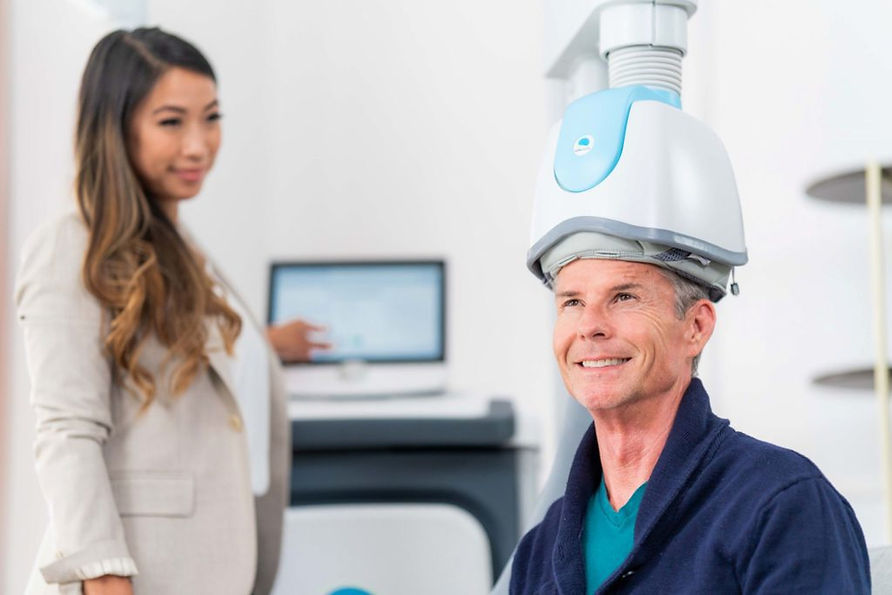
Transcranial magnetic stimulation uses focused magnetic pulses to stimulate areas of the brain involved in mood regulation.
This non-invasive treatment is performed in an outpatient setting and does not require anesthesia or recovery time.
Treatment is delivered according to an individualized plan and monitored by the clinical team adjusting if needed.
.jpg)
What to Expect During TMS Treatment
Structured sessions designed to improve stability and reduce symptoms
Treatment may include:
Initial clinical evaluation and treatment planning
Scheduled TMS sessions over several weeks
Ongoing monitoring of symptom changes
Adjustments based on individual response
Coordination with broader mental health care
What TMS Treatment Feels Like Day to Day
Consistent outpatient sessions that fit into your routine
.jpg)
-
Performed in an outpatient clinical setting
-
No anesthesia or sedation required
-
Minimal disruption to daily activities
-
Sessions typically last under an hour
Where TMS Fits in Your Treatment Plan
Often used when other treatments have not been effective
TMS therapy may be used when therapy or other treatment approaches have not been effective,
particularly in cases of treatment-resistant symptoms, and as part of a structured mental health care plan.
It helps reduce symptom severity, improve emotional regulation, and support long-term stability.

TMS Therapy in Massachusetts
TMS therapy is a non-invasive treatment used for individuals experiencing persistent symptoms of depression that have not improved with standard approaches. It works by stimulating areas of the brain involved in mood regulation.
This transcranial magnetic stimulation treatment is delivered in an outpatient setting and does not require anesthesia or recovery time. It is often used as part of a broader mental health care plan when other treatment approaches have not been effective.
TMS can help improve daily functioning, support emotional stability, and provide an alternative path when traditional methods have not led to sufficient progress.
TMS eligibility depends on medical history, diagnosis, prior treatment response, and safety screening.
TMS may not be appropriate for individuals with certain implanted medical devices, metal in or near the head, seizure history, or other medical conditions. A clinician will review medical history and safety considerations before treatment.